
AECI makes explosives for massive mining operations and heavy chemicals for farming. Because this is highly dangerous work, they do not just hire anybody off the street. They prefer to train young science graduates from scratch, which makes AECI internships the main way they find fresh talent for their factories.
If you studied chemistry or engineering, forget about sitting in a quiet, air-conditioned office. You will be out in the sun at their massive manufacturing sites in places like Modderfontein, Sasolburg, or Umbogintwini. You will spend your days walking around active chemical mixing tanks and testing facilities.
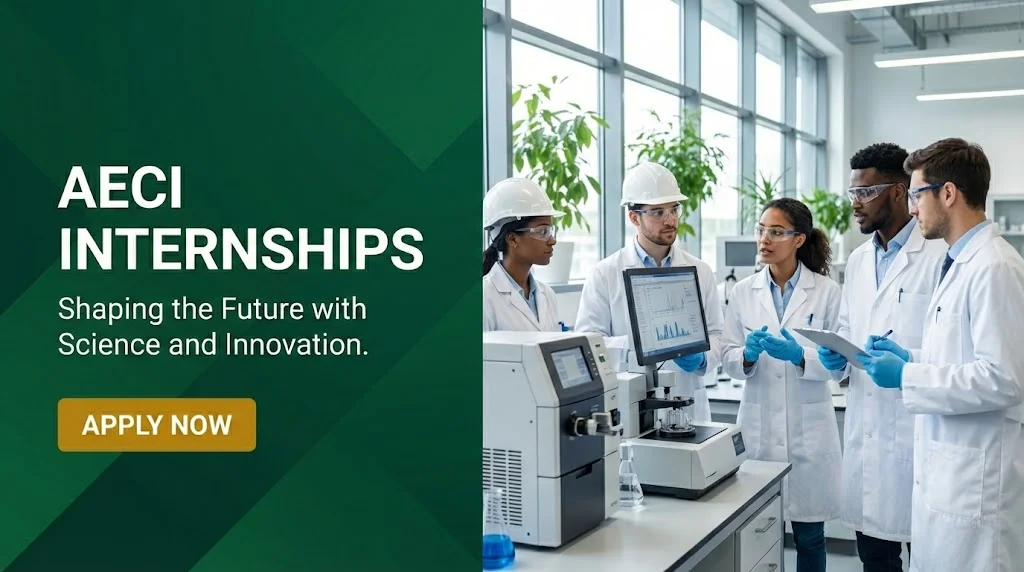
Your whole day is built around factory safety. You have to wear full protective gear (PPE) from head to toe. Your main job is to shadow senior engineers, learning how to monitor heavy chemical reactions and test hazardous materials without making any mistakes.
Spending a year in an environment like this makes you very easy to hire later on. Big mining companies and heavy manufacturers love hiring graduates who already know how to survive and work inside a strict, high-risk chemical plant.
When you apply, the HR team looks closely at your academic record, not just your final degree. If you want to work in the explosives testing lab, they will check your transcript to make sure you actually passed your practical chemistry modules, not just the theory classes.
Our Honest Take: Heavy Chemicals vs. Standard Manufacturing?
Our Analysis: Working in a car plant (like Toyota) is all about speed and robotics. Working in a chemical plant like AECI is all about slow, precise processes and extreme safety. You cannot rush a chemical reaction. You get amazing exposure to industrial chemistry and mining explosives, but the environment is strictly regulated. A single mistake with a chemical mixture can cause a factory emergency, so the management style is very rigid and rule-heavy.
Expert Pro Tip: “Pass the Baseline Medical.” Do not hide any health issues on your application. Before you can sign a contract to work in a chemical or explosives plant, you must pass a very strict baseline medical exam. If you have severe asthma or poor lung function, the occupational health doctor will not legally allow you onto the factory floor.
Job Overview: Stipends & Allowances (2026 Estimates)
| Qualification Level | Est. Monthly Stipend (ZAR) | Programme Type |
| BSc / BEng Degree (NQF 7) | R8,500 – R12,000 | Graduate Engineer / Chemist |
| National Diploma (NQF 6) | R6,500 – R8,500 | In-Service / P1 & P2 Trainee |
| N4 – N6 Certificate (NQF 5) | R5,000 – R7,000 | Artisan Apprentice |
| Matric / Grade 12 (NQF 4) | R4,000 – R5,500 | Chemical Plant Learnership |
Which Departments Take Interns? (2026 Breakdown)
AECI is divided into different businesses (like AECI Mining, AECI Water, and AECI Plant Health). You need to apply for the role that matches your specific studies:
1. Chemical Engineering & Manufacturing
- Target Audience: Graduates with BSc Degrees or Diplomas in Chemical, Mechanical, or Industrial Engineering.
- The Daily Grind: Keeping the factory running safely. You will help senior engineers monitor the pressure and temperature of massive chemical mixing tanks, troubleshoot broken factory pumps, and figure out ways to make the production line use less electricity and water.
2. Analytical Chemistry & R&D
- Target Audience: Graduates holding qualifications in Analytical Chemistry, Applied Chemistry, or Biochemistry.
- The Daily Grind: Working in the lab. Before any fertilizer or mining explosive is sold to a client, you have to test it. You will take samples from the factory floor, run titrations, use chromatography machines, and write reports to prove the chemical mixture is 100% correct.
3. Occupational Health, Safety & Environment (SHEQ)
- Target Audience: Graduates in Environmental Science, Safety Management, or Occupational Health.
- The Daily Grind: Protecting the workers. You will walk around the plant every day checking if everyone is wearing their safety gear. You will help test the air quality to make sure there are no toxic gas leaks, and assist in writing incident reports if someone gets hurt on site.
The Reality of Working in Heavy Chemicals
Putting a massive chemical company on your CV opens a lot of doors, but you need to be prepared for the actual physical environment of the plants:
- Zero Tolerance for Rule Breaking:
In a normal office, if you forget a rule, you get a warning. In an explosives or heavy chemical plant, if you ignore a safety sign, you can cause a disaster. Security and safety officers are extremely strict. If you are caught not wearing your safety glasses or hard hat, you can be fired immediately.
- Physical and Noisy Work:
You are not sitting in a clean, quiet air-conditioned room. The factories are loud, the equipment is heavy, and you will be walking up and down steel stairs outside in the hot sun to check valves and pipes.
- Shift Rotations:
Chemical reactions and water treatment plants do not switch off at 5 PM. If you are placed in an operational factory role rather than the lab, you will likely have to work rotating shifts. This means working night shifts, weekends, and public holidays to keep the plant running.
Featured “Hot” Programme: Analytical Chemistry Trainee
Because AECI produces products for the mining and food sectors, their quality control has to be perfect. They are constantly looking for sharp chemistry graduates to work in their testing labs.
- Estimated Stipend: R6,500 – R8,500 per month (12-to-18-month contract).
- Location: Modderfontein (Johannesburg) or Umbogintwini (Durban).
- Requirements:
- A completed National Diploma or BSc Degree in Analytical Chemistry or Applied Chemistry.
- Hands-on experience with university lab equipment (like HPLC and GC machines).
- High attention to detail and good math skills for writing lab reports.
- Must be a South African citizen.
How to Apply Correctly? (The AECI Process)
AECI uses a very modern and strict digital hiring system. Dropping a paper CV at the factory security gate will not get you a job. Here is how you actually apply:
The AECI Workday Careers Portal
If you have a university degree, you must apply on the official AECI Careers Website. They use a software called Workday, which takes time to fill out. You cannot just upload a one-page CV and log off. You must upload a clear PDF of your full academic record. The engineering managers want to see your exact marks for your university math and practical chemistry modules, not just your final graduation certificate.
The CHIETA Learnership Route
If you only have a Matric or a TVET college N-certificate, do not use the main graduate portal. AECI gets funding from the chemical training authority (CHIETA) to run plant operator learnerships. Because the company tries to hire young people from the communities closest to their factories, these blue-collar jobs are usually advertised on local notice boards in towns like Sasolburg or Umbogintwini, or directly on the CHIETA website.
Passing the Medical and Background Checks
Passing your job interview does not mean you are hired. Working around toxic chemicals and explosives means you have to pass a very tough baseline medical exam. A doctor will test your lung capacity (to ensure you can handle chemical fumes), your hearing, and run a strict drug test. They also do a full criminal background check. If you fail the drug test or have a police record, they will cancel your job offer before you even sign a contract.”

Thabo Mandla is the lead Career Guide Expert at DurbanTalent.com. With over 10 years of practical experience in South African recruitment, he specializes in connecting professionals with top employers in Aviation, Finance, and Hospitality. Thabo combines his background in Human Resources with direct insights from local hiring managers to provide job seekers with accurate, actionable, and reliable career advice. He is passionate about helping candidates navigate the Durban job market and achieve their professional goals.